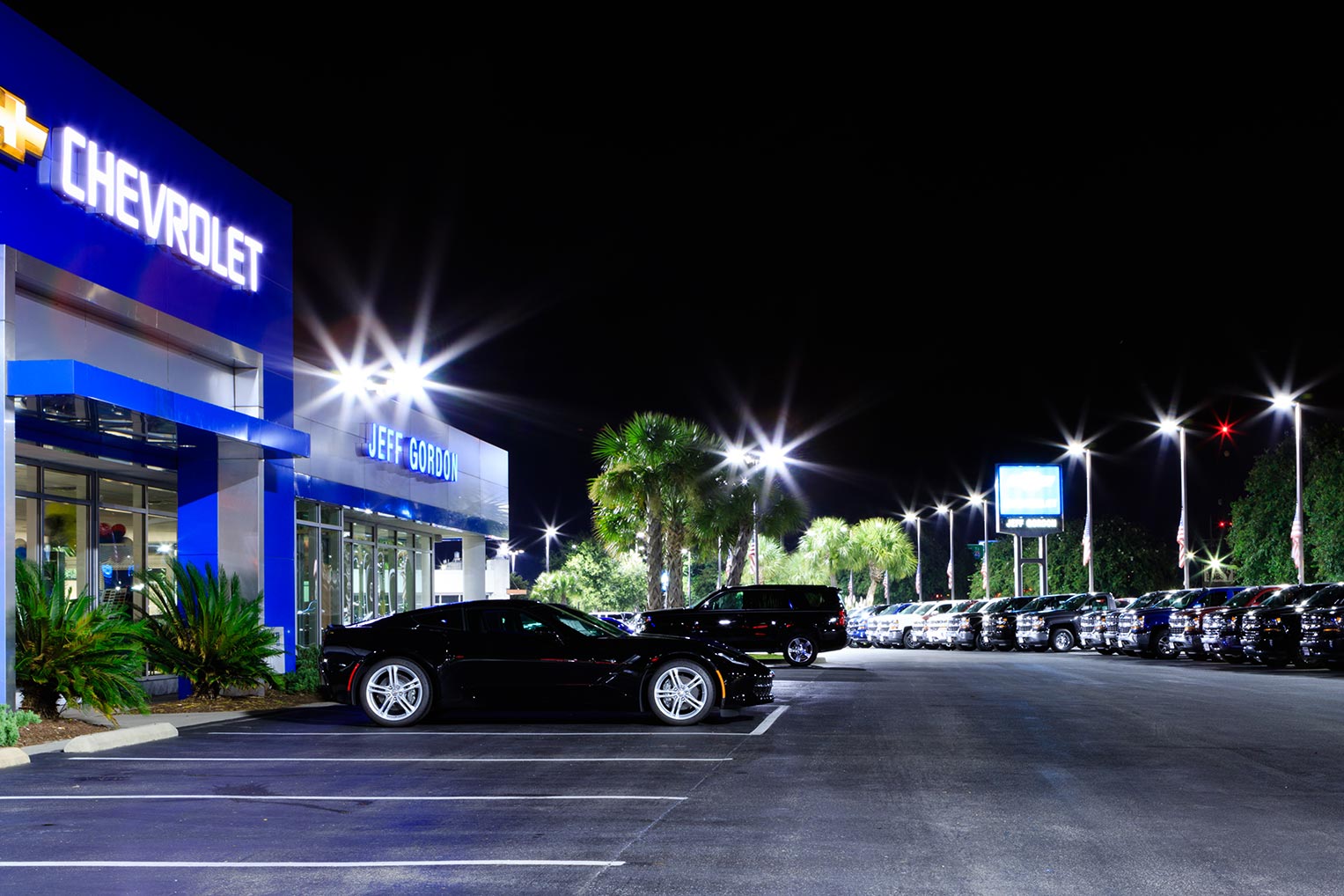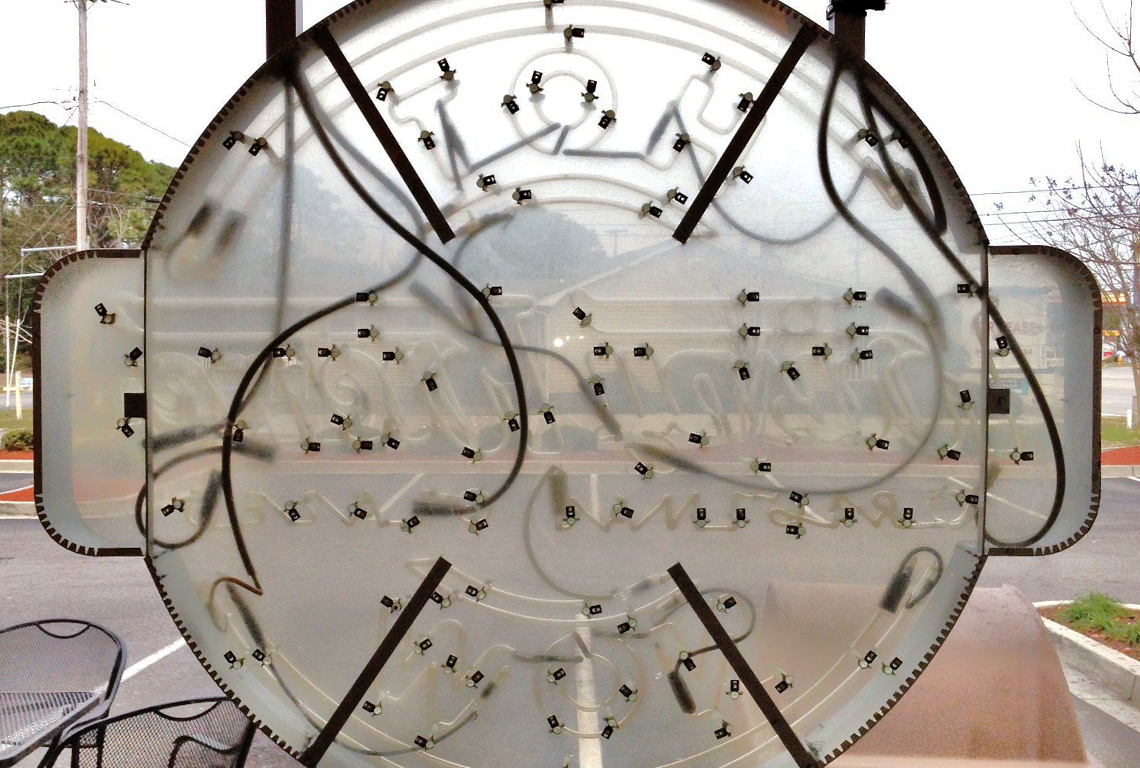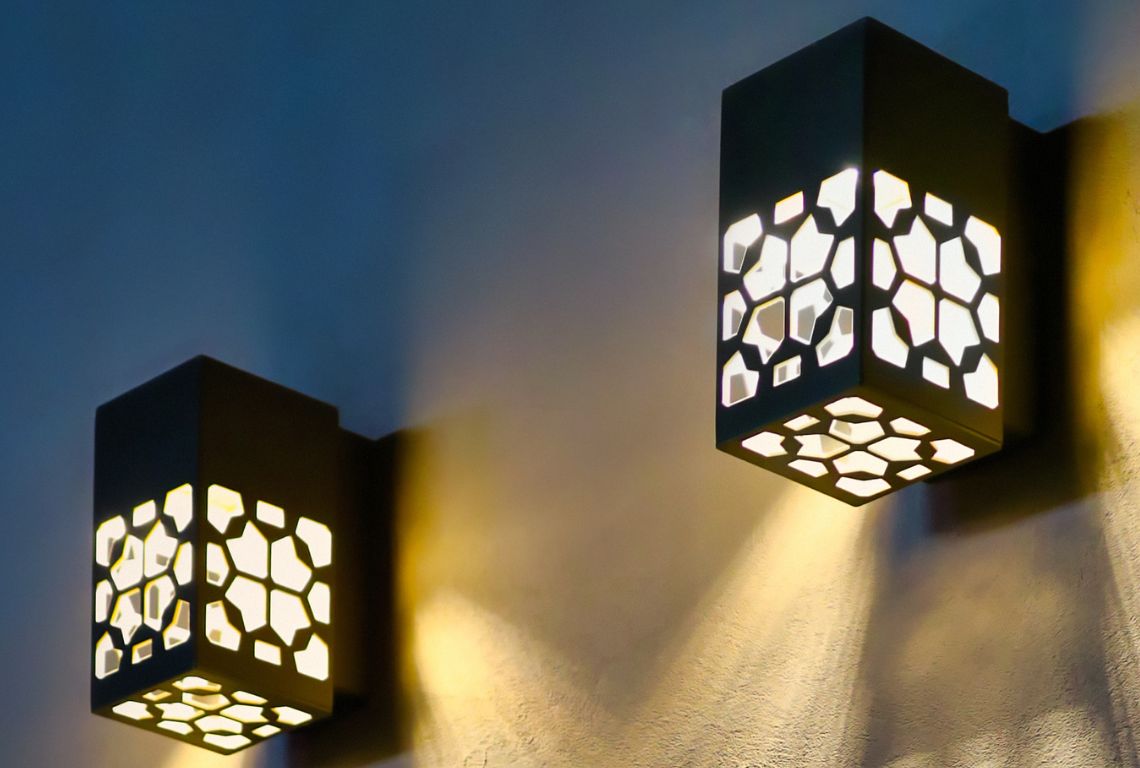
LED lighting has earned a reputation for being reliable, energy efficient, and long-lasting. So when an outdoor LED fixture starts flickering, it’s easy to assume the fixture itself has failed.
In reality, flickering is often a symptom of another issue. Identifying the root cause can help prevent unnecessary replacements and keep your lighting system operating reliably.
1. A Failing LED Driver
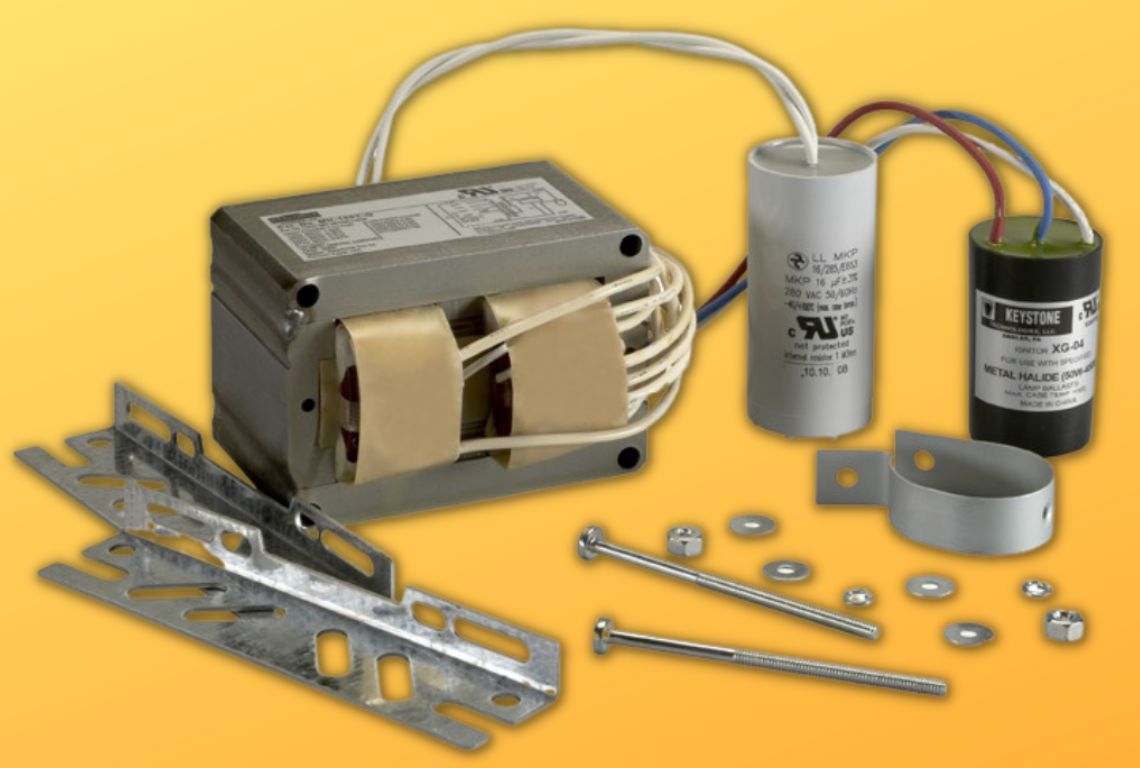
One of the most common causes of flickering is a failing LED driver.
The driver regulates the power delivered to the LEDs. If it begins to fail, the fixture may flicker, dim unexpectedly, or cycle on and off.
In many cases, replacing the driver restores normal operation without replacing the entire fixture.
2. Voltage Fluctuations
Outdoor lighting systems rely on consistent electrical power.
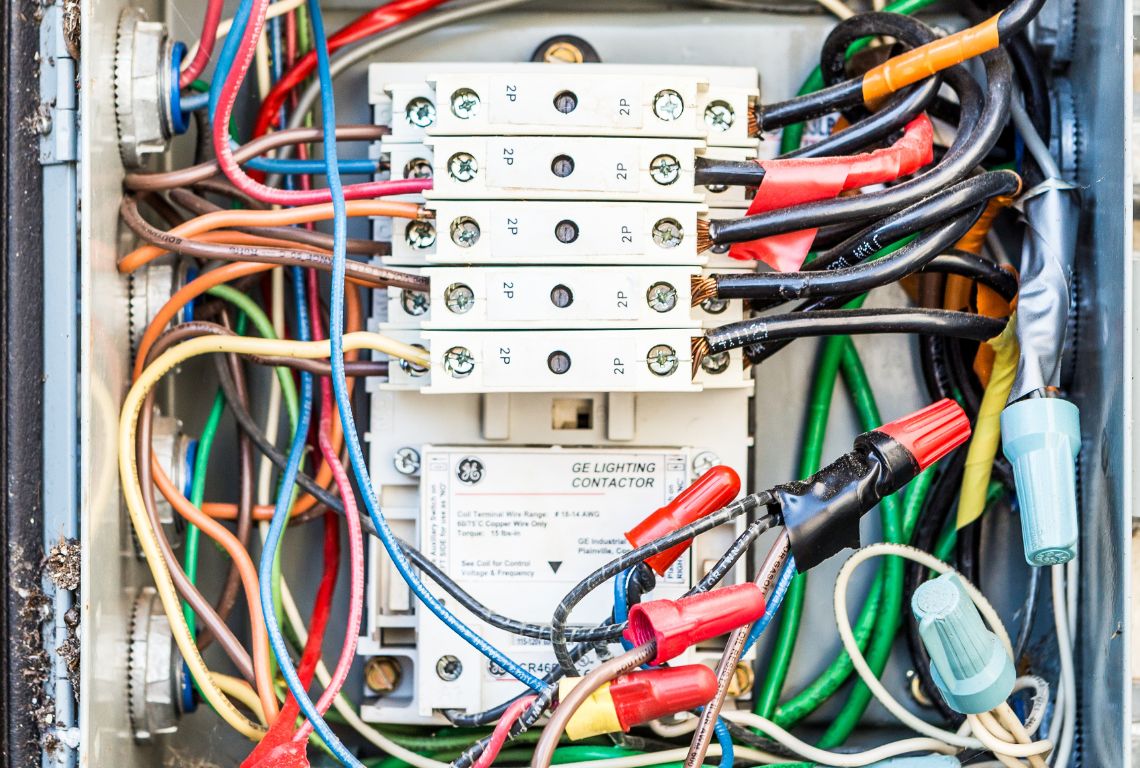
Voltage fluctuations, loose electrical connections, or issues elsewhere in the electrical system can cause LED fixtures to flicker, especially if multiple fixtures experience the same problem.
If several lights begin flickering at once, the issue may extend beyond the fixtures themselves. In many cases, the lighting system isn’t the problem at all, it’s the electrical infrastructure supporting it.
3. Moisture Intrusion
Outdoor fixtures operate in challenging environments year-round.
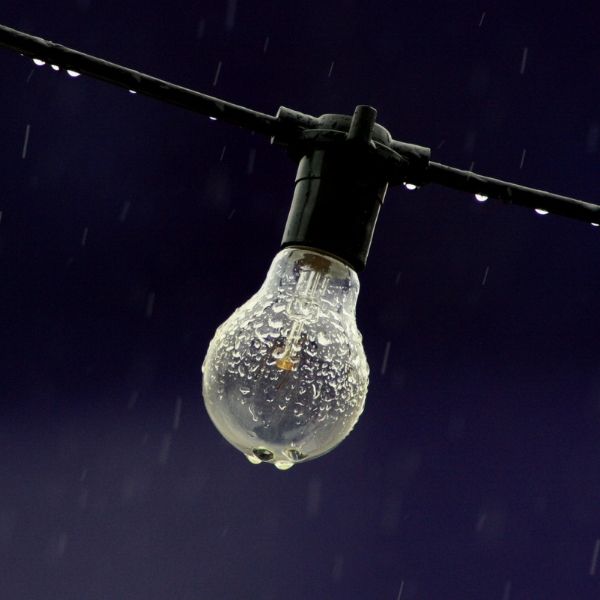
Over time, damaged seals or aging components can allow moisture to enter the fixture or electrical connections. Water intrusion may cause intermittent operation, corrosion, or premature component failure.
Routine inspections can often identify these issues before they become larger repairs.
4. Photocells and Lighting Controls
The fixture isn’t always the problem.
Photocells, timers, occupancy sensors, and other lighting controls can malfunction over time. When that happens, lights may flicker, cycle unexpectedly, or fail to operate consistently.
Checking the control system is often one of the first steps during troubleshooting.
5. Poor Connections
Outdoor lighting systems experience constant expansion and contraction as temperatures change throughout the year.
Over time, electrical connections can loosen or corrode, creating intermittent power interruptions that appear as flickering.
This is especially common in coastal environments where salt air accelerates corrosion.
Should You Replace the Fixture?
Not necessarily.
Many flickering issues can be corrected without replacing the entire fixture. A professional inspection can determine whether the problem involves the driver, electrical system, controls, wiring, or the fixture itself.
Replacing a fixture before identifying the cause may only provide a temporary solution if the underlying issue remains.
Don’t Ignore Flickering Lights
Flickering isn’t just an inconvenience. It can be an early warning sign that a lighting system needs attention.
Addressing small issues early can help prevent larger repairs, extend the life of your lighting system, and reduce unexpected outages.
If your outdoor LED lighting has started flickering, taking the time to diagnose the problem is almost always a better investment than simply replacing fixtures.
Contact Us:
Phone:
1-800-788-7448
Main Office:
4133 US Hwy 321A
Granite Falls, NC 28630
Eastern NC Office :
8760 Trade St. NE
Leland, NC 28451
South Carolina Office :
2423 Highway 17 South
North Myrtle Beach, SC 29582
Family owned and operated for over 30 years.
Licensed in North Carolina, South Carolina, Virginia, West Virginia, Tennessee & Georgia

Get Social
The Latest from Southern Lighting Services