When it comes to commercial lighting, most people focus on brightness, fixtures, or energy efficiency. But one factor that’s often overlooked, and can make a big difference, is color temperature.
And while color temperature matters indoors, it becomes even more important when lighting is used outside.
What Is Color Temperature?
Color temperature refers to the color appearance of light, measured in Kelvin (K).
- 3000K and below → Warm, yellow-toned light
- 4000K → Neutral white
- 5000K and above → Cool, daylight-like light
It doesn’t change how bright a light is, it changes how that light looks and how people perceive the space.
Why Color Temperature Matters More Outdoors
Indoor lighting is controlled. Outdoor lighting isn’t.
Exterior lighting has to compete with:
- Darkness
- Weather conditions
- Distance and visibility challenges
- Safety and security expectations
Because of that, color temperature plays a bigger role in how effective the lighting actually is.
Visibility and Safety
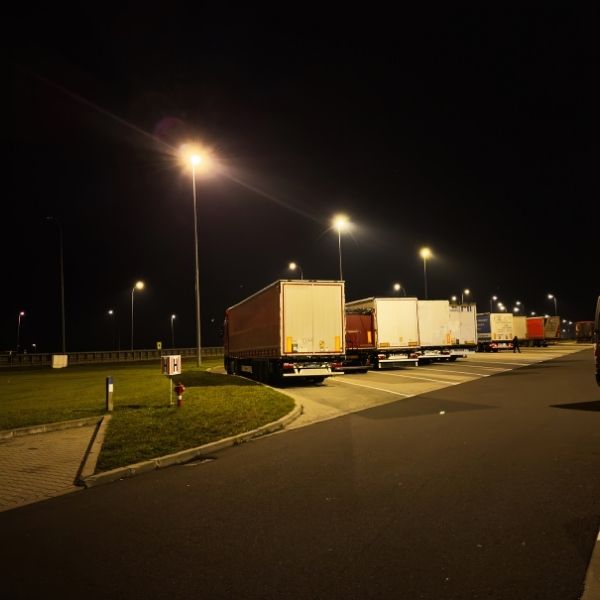
In outdoor environments like parking lots, walkways, and building perimeters, visibility is critical.
Cooler color temperatures (typically 4000K–5000K) tend to:
- Improve contrast
- Make objects easier to distinguish
- Help people see movement more clearly
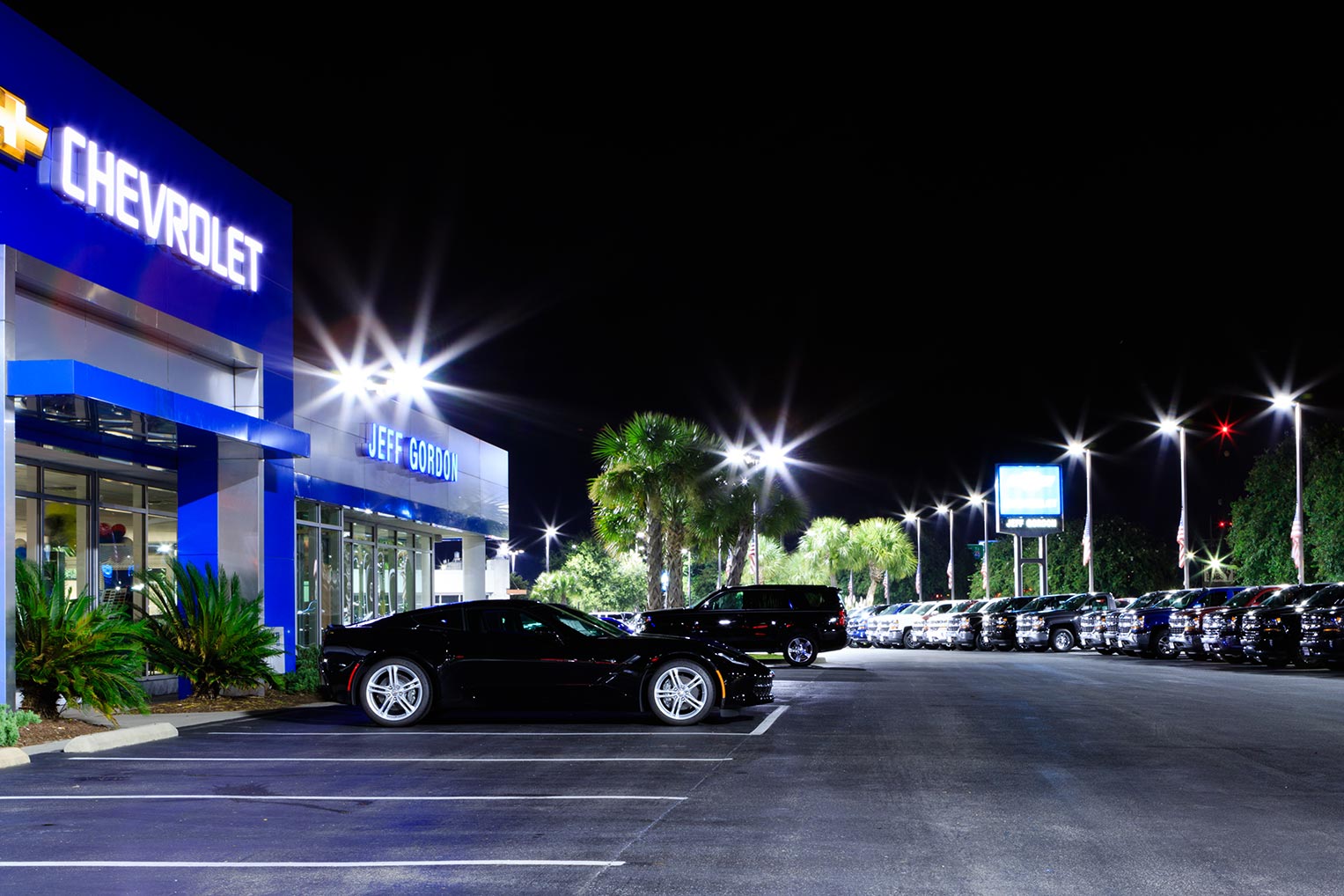
That’s why many commercial exterior lighting systems use cooler white light, it supports better visibility in low-light conditions.
Perception and Security
Lighting doesn’t just help people see, it affects how safe they feel.
Cooler lighting is often associated with:
- Alertness
- Clean, modern environments
- Increased visibility
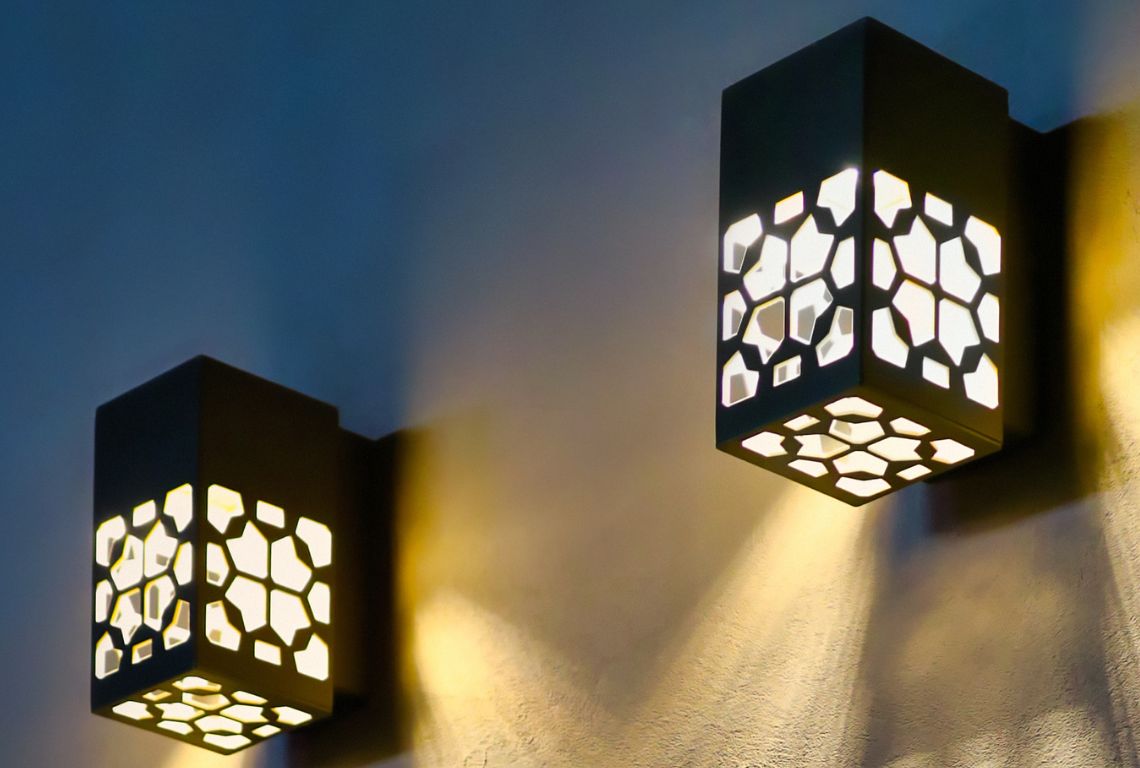
Warmer lighting, while comfortable indoors, can sometimes feel dim or less effective in large outdoor areas.
For businesses, that perception matters, especially in areas like:
- Parking lots
- Entrances
- Loading zones
Environmental and Local Considerations
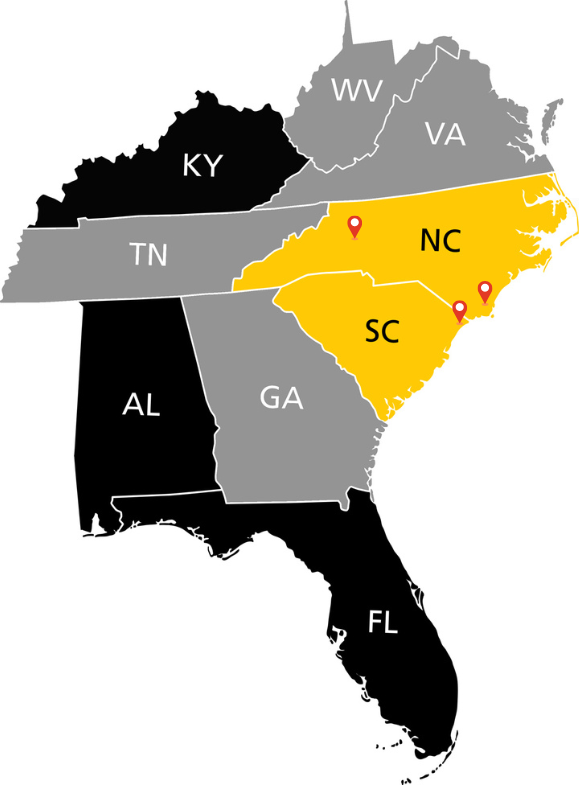
In areas across North and South Carolina, especially coastal and humid environments, lighting conditions can change quickly.
Fog, humidity, and airborne particles can impact how light travels. In many cases, neutral to cooler color temperatures perform better in maintaining clarity over distance.
At the same time, some municipalities are introducing guidelines around light pollution and glare, which can influence color temperature choices for exterior lighting.
When Warmer Light Makes Sense Outdoors
Not every outdoor space should use cool white lighting.
Warmer color temperatures (around 3000K) are often better for:
- Hospitality environments
- Outdoor dining areas
- Residential-adjacent properties
- Spaces where ambiance matters more than high visibility
The key is choosing the right color temperature for the purpose of the space.
Why Color Temperature Should Be Part of the Plan
One of the most common mistakes in commercial lighting is treating color temperature as an afterthought.
In reality, it should be considered alongside:
- Fixture selection
- Electrical capacity
- Layout and coverage
- Long-term maintenance
Especially in growing areas across the Carolinas, where properties are being upgraded or repurposed, choosing the right lighting from the start helps avoid costly changes later.
The Bottom Line
Color temperature isn’t just about appearance, it affects visibility, safety, and how a space is experienced.
And outdoors, where lighting conditions are less controlled, it matters even more.
At Southern Lighting Services, we help businesses across North and South Carolina design lighting systems that perform in real-world conditions, from parking lots to building exteriors and beyond.
Because the right light isn’t just bright, it’s the right color, in the right place, for the right purpose.
Contact Us:
Phone:
1-800-788-7448
Main Office:
4133 US Hwy 321A
Granite Falls, NC 28630
Eastern NC Office :
8760 Trade St. NE
Leland, NC 28451
South Carolina Office :
2423 Highway 17 South
North Myrtle Beach, SC 29582
Family owned and operated for over 30 years.
Licensed in North Carolina, South Carolina, Virginia, West Virginia, Tennessee & Georgia
Get Social
The Latest from Southern Lighting Services