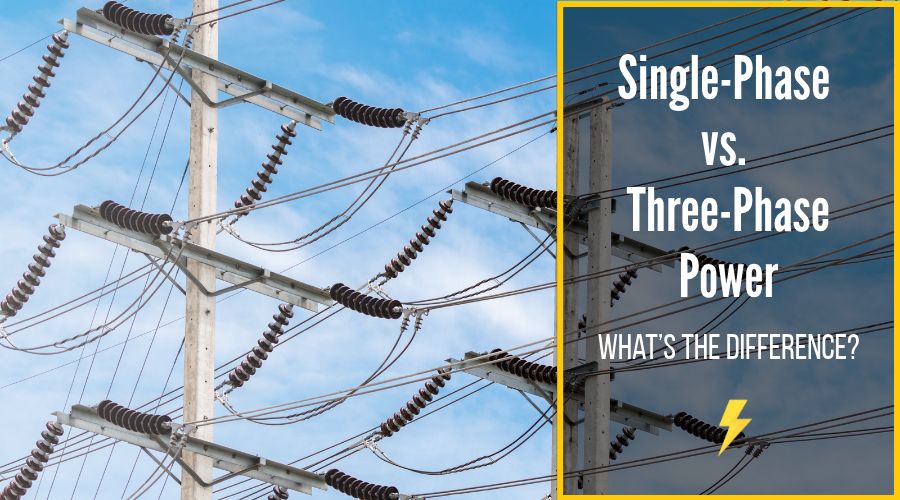
If you’ve ever planned an electrical upgrade, purchased new equipment, or spoken with a commercial electrician, you’ve probably heard the terms single-phase and three-phase power.
Most people know they’re different, but few know what those differences actually mean.
The good news is that you don’t need an engineering degree to understand the basics. Knowing how each type of electrical service works can help you make better decisions when expanding your business, installing equipment, or planning future electrical projects.
What Is Single-Phase Power?
Single-phase power is the most common type of electrical service used in homes and many small businesses.
It delivers electricity using one alternating current (AC) waveform. This type of service works well for everyday lighting, receptacles, office equipment, and other general electrical needs.
For smaller buildings with relatively modest electrical demands, single-phase service is often all that’s required.
What Is Three-Phase Power?
Three-phase power also uses alternating current, but it delivers electricity through three synchronized waveforms instead of one.
Because each phase reaches its peak at a different time, power is delivered more consistently than with single-phase service. That smoother delivery makes three-phase systems ideal for larger electrical loads and equipment that operates continuously.
Many commercial buildings, manufacturing facilities, warehouses, schools, hospitals, and industrial sites use three-phase power because it can support larger motors and higher-demand electrical systems more efficiently.
Why Do Commercial Buildings Often Use Three-Phase Power?
Many commercial properties simply require more electrical capacity than single-phase service can reasonably provide.
Three-phase systems are commonly used to power:
- Large HVAC equipment
- Commercial refrigeration
Elevators
- Manufacturing equipment
- Air compressors
- Large pumps
High-capacity electrical panels.
They also support larger lighting systems and future expansion more effectively as a building’s electrical needs grow.
Does Three-Phase Power Save Energy?
Not necessarily.
A common misconception is that switching to three-phase power automatically lowers your electric bill.
In reality, energy use depends on the equipment being operated, how long it runs, and how efficiently the electrical system is designed.
The advantage of three-phase power isn’t that it creates electricity more efficiently. It’s that it delivers power more smoothly and supports larger electrical loads with greater efficiency for commercial equipment.
Can a Building Be Upgraded?
Sometimes.
If a property is expanding, adding larger equipment, or changing how the building is used, upgrading electrical service may become necessary.
However, converting from single-phase to three-phase power isn’t always a simple panel replacement. The availability of three-phase service depends on the local utility infrastructure, the property’s location, and the scope of the electrical project.
A qualified commercial electrician can evaluate the building’s existing electrical service and determine the most practical solution.
How Do You Know Which One You Have?
Most property owners don’t need to identify their electrical service on a daily basis.
If you’re planning renovations, adding equipment, or installing systems with significant electrical demand, your electrical contractor can determine whether your building has single-phase or three-phase service and whether it meets your current and future needs.
Planning for the Future
One of the biggest mistakes businesses make is planning only for today’s electrical needs.
Adding new equipment, expanding operations, installing EV chargers, or upgrading lighting can all increase electrical demand over time. Planning for future growth helps avoid costly upgrades later and ensures your electrical system can support your business as it evolves.
Understanding the Difference
Single-phase and three-phase power both serve important purposes. The right choice depends on how a building is used, the equipment it supports, and the amount of electrical capacity required.
If you’re planning an expansion, upgrading electrical equipment, or simply wondering whether your existing service is adequate, understanding the difference between single-phase and three-phase power is a great place to start.
The right electrical infrastructure doesn’t just support today’s operations. It prepares your business for tomorrow’s growth.
Contact Us:
Phone:
1-800-788-7448
Main Office:
4133 US Hwy 321A
Granite Falls, NC 28630
Eastern NC Office :
8760 Trade St. NE
Leland, NC 28451
South Carolina Office :
2423 Highway 17 South
North Myrtle Beach, SC 29582
Family owned and operated for over 30 years.
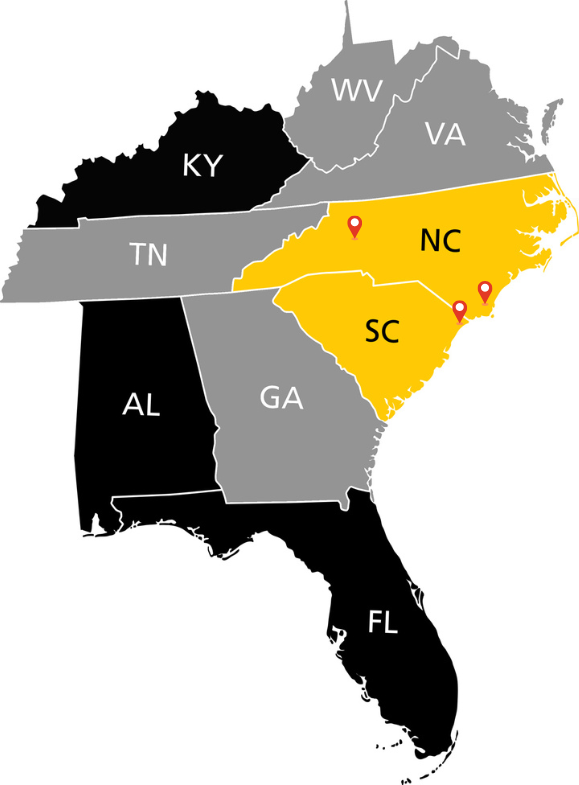
Licensed in North Carolina, South Carolina, Virginia, West Virginia, Tennessee & Georgia
Get Social
The Latest from Southern Lighting Services